


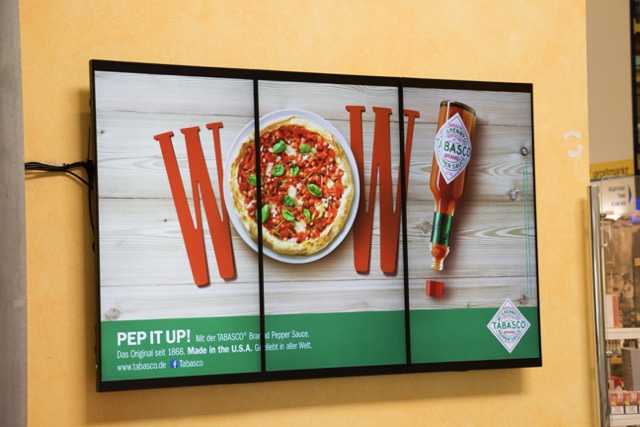
Digital Signage ist aus der modernen Geschäftswelt nicht mehr wegzudenken. Ob im Einzelhandel, in Büros oder in öffentlichen Einrichtungen – digitale Beschilderung bietet Unternehmen eine wirkungsvolle Möglichkeit, Botschaften zu kommunizieren und das Kundenerlebnis zu verbessern. Doch wie bei jeder Technologie gibt es auch hier einige Stolperfallen. Damit Ihre Digital Signage-Lösung ein voller Erfolg wird, sollten Sie die folgenden fünf Fehler unbedingt vermeiden.
Digital signage offers enormous potential for communicating your messages effectively and in a targeted manner. To fully exploit this potential, you should avoid the mistakes mentioned above. Thorough planning, the right placement of displays, up-to-date and appealing content, suitable hardware, and reliable technology are the keys to successful digital signage implementation. With the right approach, you will not only inspire your target audience, but also leave a lasting impression.
Placement plays a key role in determining whether content is noticed. Displays should be installed in highly visible locations, at eye level, and in high-traffic areas. At the same time, factors such as lighting conditions, viewing angles, and foot traffic must be taken into account to ensure optimal readability.
Placement plays a key role in determining whether content is noticed. Displays should be installed in highly visible locations, at eye level, and in high-traffic areas. At the same time, factors such as lighting conditions, viewing angles, and foot traffic must be taken into account to ensure optimal readability.
Digital content must be updated regularly to remain relevant and engaging. Outdated information comes across as unprofessional and diminishes the impact of digital communication. Dynamic, audience-focused content, on the other hand, captures attention and enhances the user experience.
The hardware should always be suited to the installation site and technical requirements. Key criteria include brightness, size, aspect ratio, weather resistance, and durability. Robust, high-brightness displays are particularly important for outdoor use to ensure that content remains clearly visible even under challenging lighting and weather conditions.
Sign up here for our monthly newsletter. New products, application examples, trade fair innovations, and collaborations with partners are presented here.


